The Environmental Impact of Different Fencing Materials: Making Eco-Friendly Choices Jul 28, 2026
When it comes to fencing, the material you choose not only affects the appearance and function of your property boundary but also has significant environmental implications. Popular fencing materials vary widely in their sustainability, durability, and ecological footprint. Let's explore some common fencing materials and their environmental impacts, so you can make an informed decision that aligns with your eco-friendly goals.
Wood has long been a traditional choice for fencing due to its natural appearance and versatility. However, the environmental impact of wood depends greatly on its source. Choosing wood from sustainably managed forests or certified by entities like the Forest Stewardship Council (FSC) can minimize ecological harm. Locally sourced wood also reduces carbon emissions associated with transportation. To further enhance its sustainability, consider using natural stains or untreated wood that keeps chemicals out of the environment.
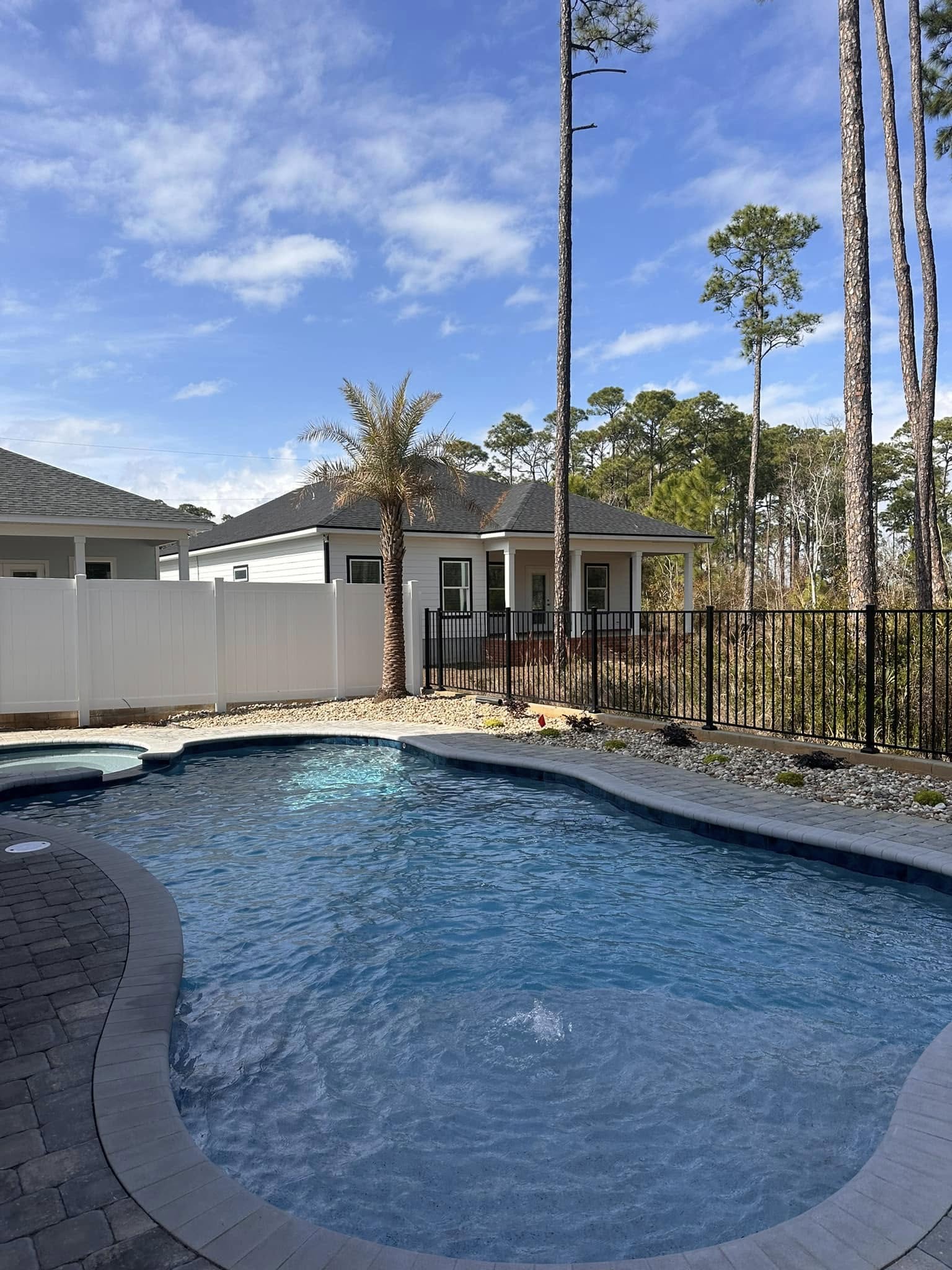
Vinyl, or PVC fencing, is appreciated for its low maintenance and long life. However, vinyl is derived from non-renewable fossil fuels and can release harmful chemicals during production and disposal. While its longevity can offset some emissions, recycling options are limited. For those determined to use vinyl, seeking out manufacturers committed to using recycled materials in their production processes can mitigate some environmental concerns.
Metal fencing options like aluminum and steel offer durability and relatively low maintenance. Aluminum, in particular, is known for its recyclability, which significantly reduces its environmental footprint. Steel is also recyclable, but its production is energy-intensive. Opt for recycled metal products when available, and you'll be making a more sustainable choice. Recycled metals typically have a smaller carbon footprint and contribute less waste to landfills.
Bamboo fencing is an innovative option that’s gaining popularity for its rapid renewability and natural appeal. Bamboo grows quickly and requires fewer resources to cultivate than traditional timber, making it an excellent eco-friendly material. Furthermore, bamboo products are typically biodegradable and can be sustainably harvested, making them an obvious choice for environmentally conscious consumers.
Composite fencing, made from a mix of recycled wood fibers and plastic, presents another sustainable alternative. By utilizing materials that would otherwise end up in landfills, composite fencing reduces waste while offering durability and a low-maintenance option. This material mimics the appearance of natural wood, with the added benefit of resisting rot and insects without the need for chemical treatments.
In choosing the right fencing material, consider not only the initial environmental costs but also the lifespan and end-of-life disposal. The key is to strike a balance between aesthetic appeal, functionality, and environmental responsibility. By making informed choices, you can reduce your property’s overall carbon footprint and contribute positively to the environment.
At Forrest Fencing, we aim to provide you with options that satisfy both your fencing needs and environmental concerns. As you contemplate your next fencing project, we encourage you to weigh the ecological impacts and select materials that support sustainable practices. By doing so, you’re not just investing in your property, but also in the health of our planet for future generations.
/filters:no_upscale()/filters:format(webp)/media/a0f00127-6808-4346-931f-459ed19da117.jpeg)